


The Right to Repair movement is a campaign to give owners and independent shops the legal access, parts, and information needed to fix the products they buy. It pushes back against manufacturers who lock repairs behind their own service channels. By 2026 it has moved from advocacy to law, with binding rules now in force across several US states and the European Union.
Purchasing any electronic device means it can break at any time. The general assumption is that you can do what you want with your property, including repairing it yourself. Some companies have spent years positioning themselves against that idea, and the legal fight to change it is finally producing results.
In this post we explain what the Right to Repair movement is, what it means for consumers, and what companies and politicians have done to support or oppose it. We also cover the laws that took effect between 2023 and 2026, and what they mean if you buy refurbished.
Table of contents
- What is the Right to Repair movement?
- What are the objectives of the Right to Repair movement?
- Why is the right to repair important?
- 7 reasons to support the right to repair
- Opposition and evolution of the right to repair
- What the right to repair means if you buy refurbished
- How can you benefit from the right to repair?
- Right to repair FAQ
What is the Right to Repair movement?
The premise of the Right to Repair movement is simple: if you buy a product and own it, you should be able to repair it yourself or contact independent repair shops of your choice to do it.
In other words, companies should let you repair your own tech items and gadgets and even provide you with the necessary tools and guidelines to do it effectively.
Supporters of the movement have spent years pushing for repair legislation that guarantees access to parts and tools. In 2021, President Joe Biden signed an executive order to promote competition in the American economy, which tasked the Federal Trade Commission with looking at rules on when consumers can bypass manufacturers to repair their products. That early federal push has since been overtaken by action at the state level.
As of 2026, five US states have broad consumer electronics repair laws in force. New York's Digital Fair Repair Act took effect on December 28, 2023. California's Right to Repair Act (SB 244) and Minnesota's Digital Fair Repair Act both started on July 1, 2024. Oregon's law (SB 1596) followed on January 1, 2025, and Colorado's law took effect on January 1, 2026.

State-by-state progress of right to repair legislation in the US Image used courtesy of The Repair Association
One of the most important challenges for repair advocates is being able to fix farm equipment, medical equipment, and cars in the automotive industry, consumers who want to perform repairs without relying on the original equipment manufacturers or dealerships. Or, it could be fixing broken iPhone screens in independent repair shops instead of Apple.
What are the objectives of the Right to Repair movement?
In short, these are the goals of the Right to Repair movement:
- Make parts and tools available. Individuals and repair shops should have access to the parts and tools, including diagnostic tools, necessary to repair their products.
- Make repair information available. Repairs can be complex, especially with modern equipment in the tech industry. Knowing how to perform repairs is equally essential. Individuals and repair shops should have access to manuals, schematics, how-tos, and software to bring down limitations on repair.
- Allow unlocking and customization. An owner should be able to adapt and modify their products and install custom software.
- Design "repair-friendly" products. Manufacturers of products should design their devices and equipment so they can be easily repaired and modified.
Why is the right to repair important?
Almost everything we use on a daily basis has electronics in it, from our smartphones to electric toothbrushes. Think about what you do when something you use breaks and you need to fix it. Most times, either you try to take it to the original manufacturer for repairs or you buy a new product if repair costs are too high.
Many of us don't know how to fix the vast majority of products we use. That is not always because we are not interested in doing it. Manufacturers usually refuse to share the resources to fix them. The result is that the lifespan of products keeps getting shorter. In fact, the average smartphone lasts from two to three years nowadays.
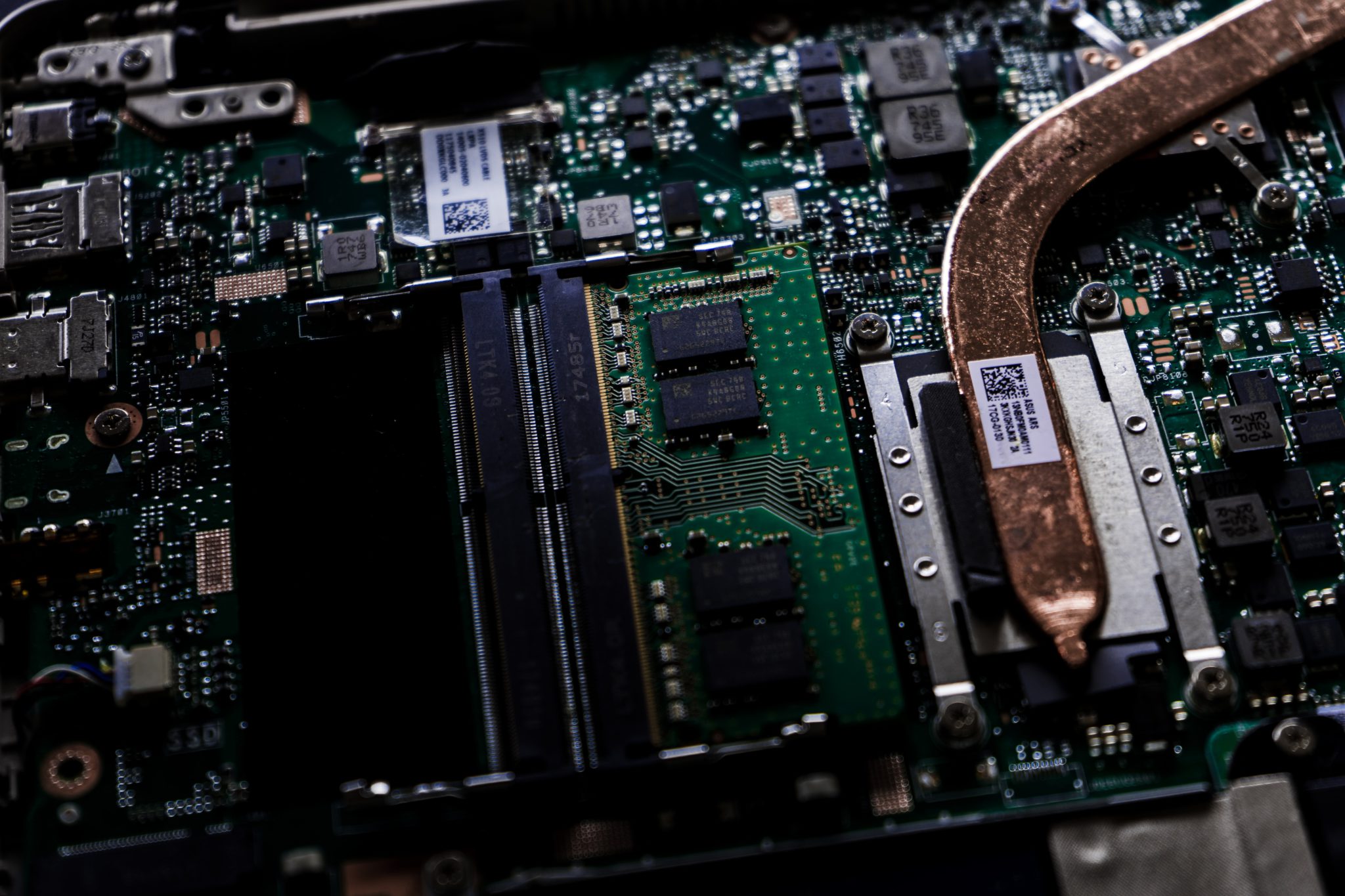
The repair rules also affect upgrading products. For many sealed devices it is hard or impossible to swap a battery, screen, or storage module without manufacturer parts and tools. In addition, initiatives such as modular cell phones did not fully adapt to the market and ended up losing steam, without knowing whether this trend would be resurrected in the future.
7 reasons to support the right to repair
The following are seven reasons to support the right to repair your own products:
- Fixing your stuff can be easy. You don't have to be a qualified technician. With adequate guidelines and resources, fixing electronic devices can be easy. The only thing some consumers need is for the manufacturers to provide them with the essential parts and manuals.
- Independent repair shops can be competent. You can take your device to be repaired by independent technicians. As with everything, it depends on where you take the device and the experience they have, but they can be exceptionally skilled and able to do the same repairs as the manufacturer.
- It boosts the circular economy. If more people start repairing their products, then fewer will end up being thrown away. This means less waste and more reuse, leading to a CO2 emission reduction. In addition to repairs, buying refurbished products also boosts the circular economy.
- It is not the first time repair laws have been passed. Just an example to illustrate this: the state of Massachusetts passed a law requiring auto manufacturers to offer spare parts and diagnostic repair information, called the Massachusetts "Right to Repair" Initiative. In Europe, the EU Commission published a draft to make phones and tablets more durable and easier to reuse, repair, and remanufacture, and also a proposal on rules promoting the repair of goods.
- Repairs could be more accessible. The right to repair would allow anyone to repair their products without paying expensive fees to professional technicians. It would also mean more people could access these services and avoid waiting days or weeks if the manufacturer asks to return the product for repairs.
- More jobs. Put it this way: if people and independent repair facilities can fix any device without relying on the original manufacturer, it can lead to significant job creation, much of it being created locally.
- Lower prices. More competition and the end of a monopoly on repairs would also mean lower prices for consumers.
Opposition and evolution of the right to repair
Some companies lobbied against Right to Repair legislation and refused to offer self-service repairs on what they considered intellectual property infringement.
Historically, smartphone developers were the most vigorous opponents of this. However, things are changing rapidly, and companies are expanding their legal consumer repair in response to increasing US and European regulations.
The biggest regulatory shift is in Europe. The EU Right to Repair Directive (Directive 2024/1799) was published in July 2024, and member states must transpose it into national law by July 31, 2026. It pushes manufacturers to offer repairs at reasonable prices, supply spare parts, and stop blocking independent shops with software locks.
In short:
- Apple introduced Self Service Repair in the US in 2022, letting owners buy genuine parts and rent the tools needed for common fixes. The program has since expanded across the iPhone, Mac, and iPad lines, and in Europe it now covers Belgium, France, Germany, Italy, Poland, Spain, Sweden, and the UK. Even so, advocates point out it falls short of full repair freedom.
- Google offered Pixel users more options to repair their phones. Skilled users can make their own repairs or get help from third-party services.
- Samsung announced its self-repair program starting with Galaxy S20 and S21 phones along with Galaxy S7+ tablets.

What the right to repair means if you buy refurbished
Stronger repair laws are good news if you shop refurbished. When parts, tools, and manuals are easier to get, refurbishers can bring more devices back to full working order instead of scrapping them. That widens the supply of quality refurbished stock and helps keep prices competitive.
It also affects how long your device stays useful after you buy it. A refurbished iPhone or MacBook that can have its battery or screen replaced years down the line holds its value better than a sealed device you cannot service. The same access that helps the refurbisher restore a phone helps you keep it running long after the purchase.
This lines up with the case for buying used in the first place. If you want the full picture, our guide on whether Apple refurbished is worth it walks through the trade-offs, and our piece on how refurbished boosts the circular economy explains the environmental side.
How can you benefit from the right to repair?
The Right to Repair movement has highlighted the importance of taking care of the environment, reducing the replacement cycle of electronic devices, and offering people the freedom to repair their own purchases.
We believe in any cause that assists in reducing e-waste in landfills. It is also part of our mission statement to help our readers understand viable alternatives to purchasing new products: buying refurbished ones. A refurbished product is completely functional, costs less, and saves a lot of e-waste.
On RefurbMe, we specialize in comparing hundreds of refurbished Apple products, including iPhones, iPads, MacBooks, and AirPods, among others. Our list of professional refurbishers gives you a clear idea of what you can expect from each, from warranty and shipping to return policy. If you are curious, head on to our best-selling page and start browsing deals in real time:
Happy buying!
Right to repair FAQ
Last updated: Jun 3, 2026 · First published: Oct 17, 2023