


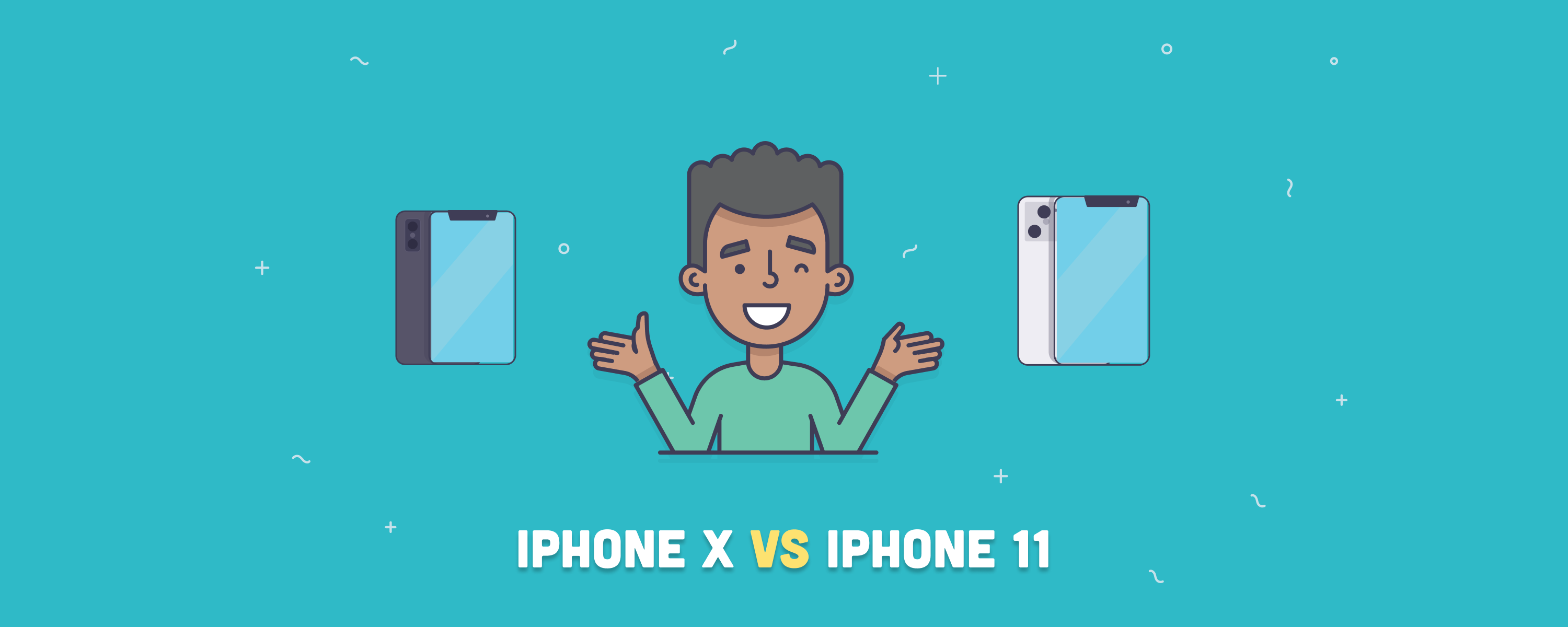
The iPhone X was a landmark device when it launched in 2017: it ditched the home button, introduced Face ID, and brought OLED technology to iPhones for the first time. The iPhone 11, released two years later in 2019, built on that foundation with a faster chip, longer battery life, and a more versatile dual-camera system. Both are now firmly in refurbished territory, and one of them has reached end-of-software-support while the other still receives updates. That distinction matters more than almost any spec on the sheet. Here is what you need to know before choosing between them.
Table of contents
- iPhone X vs. iPhone 11: Specs comparison table
- iPhone X vs. iPhone 11: What are the main differences?
- Software support: the most important difference in 2026
- The iPhone X has a sharper display with OLED technology
- The iPhone X is made from stainless steel, and the iPhone 11 uses an aluminum frame
- The iPhone 11 has better cameras but lacks a telephoto lens
- The iPhone 11 has superior battery life
- The iPhone 11 has a 128GB storage option
- iPhone X vs. iPhone 11: Which one should you get?
- FAQ
iPhone X vs. iPhone 11: Specs comparison table
The following comparison table highlights the key specifications of the iPhone X and the iPhone 11. It aims to provide you with a clear understanding of the differences between these two iPhone models.
| Feature | iPhone X | iPhone 11 |
|---|---|---|
| Release year | 2017 | 2019 |
| Size | 5.65 x 2.79 x 0.30 in 143.6 x 70.9 x 7.7 mm | 5.94 x 2.98 x 0.33 in 150.9 x 75.7 x 8.3 mm |
| Weight | 6.14 oz 174 g | 6.84 oz 194 g |
| Display | 5.8″ Super Retina OLED | 6.1″ LCD Liquid Retina |
| Resolution | 2436 x 1125 | 1792 x 828 |
| PPI | 458 | 326 |
| Chipset | A11 Bionic | A13 Bionic |
| RAM | 3GB | 4GB |
| Storage options | 64GB 256GB | 64GB 128GB 256GB |
| Rear cameras | Dual 12MP (Wide + Telephoto) | Dual 12MP (Wide + Ultra Wide) |
| Front camera | 7MP TrueDepth | 12MP TrueDepth |
| Battery capacity | 2716 mAh | 3110 mAh |
| Wireless charging | Yes, Qi | Yes, Qi |
| Water resistance | IP67 | IP68 |
| SIM card | Nano-SIM + eSIM | Nano-SIM + eSIM |
| Latest iOS supported | iOS 16 (no further updates) | iOS 26 (supported through 2026) |
| Original release price | $999 for 64GB $1,149 for 256GB | $699 for 64GB $749 for 128GB $849 for 256GB |
| Price (refurbished) | Starting at | Starting at |
iPhone X vs. iPhone 11: What are the main differences?
Software support: the most important difference in 2026
Before diving into hardware, there is one fact that should shape every other consideration: the iPhone X is permanently capped at iOS 16 and receives no further software updates from Apple. It has been classified as a "vintage" device, meaning Apple no longer issues security patches or feature updates for it. The iPhone 11, by contrast, runs iOS 26 (Apple's latest major release) and is expected to receive continued security updates through at least late 2026.
This gap has real consequences. Apps are increasingly dropping support for iOS 16 as developers shift their minimum requirements upward. Security vulnerabilities in iOS 16 accumulate without patches, making the iPhone X a poor choice for banking apps, work email, or any scenario involving sensitive personal data. If you need a reliable daily driver, this single factor tips the scales decisively toward the iPhone 11.
The iPhone X has a sharper display with OLED technology
The iPhone X introduced OLED to the iPhone lineup with its 5.8-inch Super Retina display. OLED panels illuminate each pixel individually, producing true blacks and a contrast ratio of 1,000,000:1, a significant advantage over any LCD for video content and low-light viewing. At 458 pixels per inch, the iPhone X screen is noticeably sharper than the iPhone 11's LCD panel, which lands at 326 ppi.
The iPhone 11's 6.1-inch Liquid Retina LCD is larger and adequate for most everyday tasks, with True Tone color adjustment and P3 wide color support. The trade-off is a contrast ratio of 1,400:1 and the absence of true blacks. For users who watch a lot of video or value deep color accuracy, the iPhone X display is the better experience, assuming the panel has not developed burn-in after years of use. OLED screens can suffer permanent image retention over time, which is worth inspecting on any used or refurbished iPhone X unit.
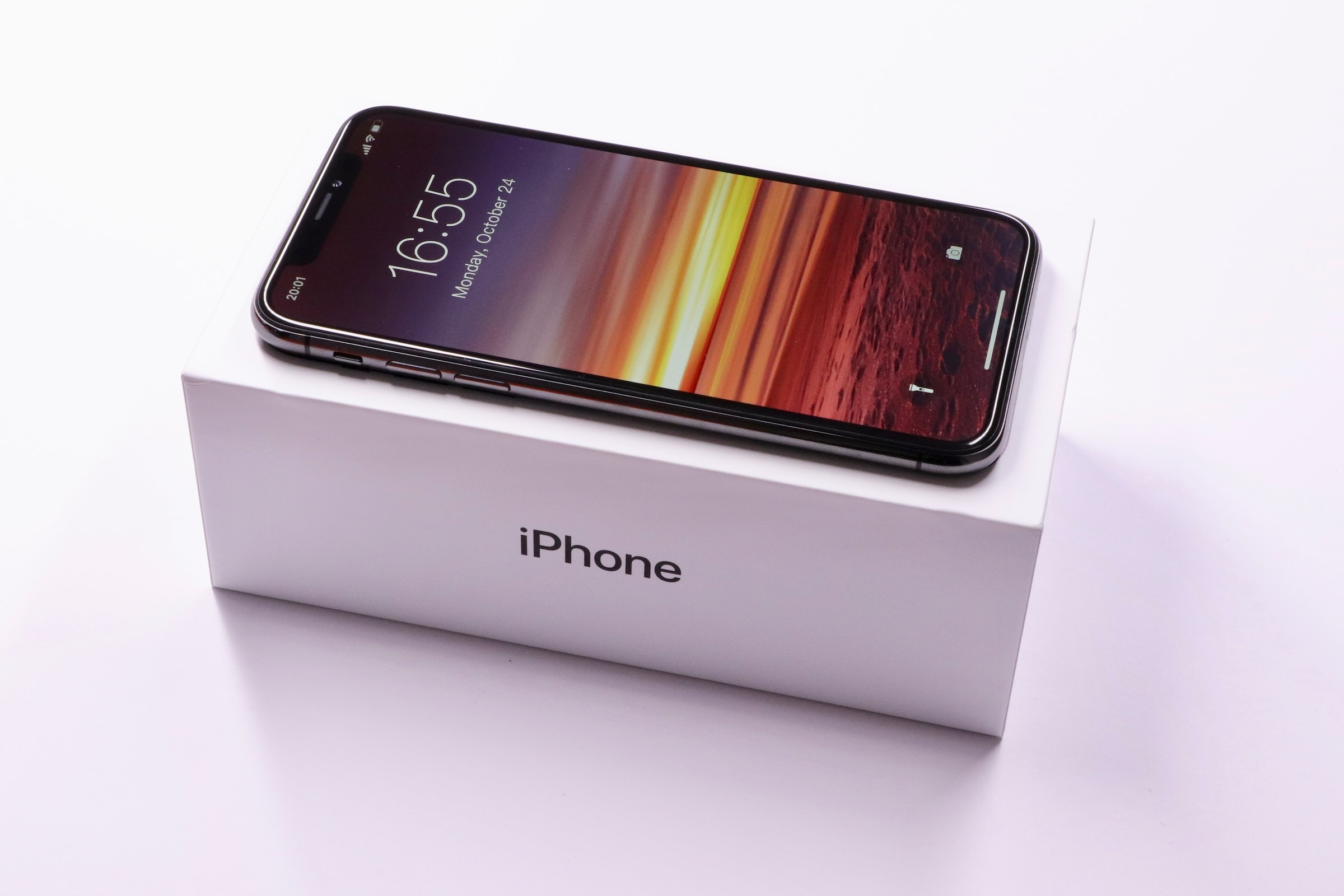
iPhone X
The iPhone X is made from stainless steel, and the iPhone 11 uses an aluminum frame
The iPhone X features a stainless steel frame with glass on the front and back, giving it a premium, high-end feel. The iPhone 11 uses an aluminum frame, lighter and more resistant to bending, but less visually luxurious. Both phones use glass backs that enable Qi wireless charging.
In terms of durability, the iPhone 11 has the edge. Its IP68 rating means it can withstand submersion in up to 4 meters of water, compared to the iPhone X's IP67 rating, which is rated to 1 meter. The iPhone 11 also benefited from improved glass chemistry at launch, making it somewhat more drop-resistant than the older model.
The iPhone 11 has better cameras but lacks a telephoto lens
The cameras on these two phones take fundamentally different approaches, and which configuration suits you depends entirely on what you shoot most.
Lens configuration
- iPhone X: Wide (28mm, f/1.8) and telephoto (52mm, f/2.4) lenses. The telephoto enables 2x optical zoom, making it better for portraits at distance and compressing backgrounds.
- iPhone 11: Wide (26mm, f/1.8) and ultra-wide (13mm, f/2.8) lenses. The ultra-wide captures a 120-degree field of view, fitting more of a scene into a single frame without stepping backward.
Image processing and low-light photography
The iPhone 11's A13 Bionic chip enables image processing capabilities the iPhone X simply cannot match. Deep Fusion (Apple's computational photography technique) analyses multiple exposures at the pixel level to produce sharper, more detailed images in medium-light situations. Night Mode, exclusive to the iPhone 11, captures impressive results in near-dark conditions by combining multiple frames; the iPhone X has no equivalent feature and produces noticeably grainier low-light shots.
Front camera
The iPhone 11's 12-megapixel TrueDepth front camera is a major upgrade over the iPhone X's 7-megapixel sensor. The iPhone 11 can record 4K video at 60fps from the front camera and supports Slofies (slow-motion selfie videos), which the older model cannot do.
In summary, the iPhone X retains an advantage for telephoto zoom; the iPhone 11 is better at almost everything else, including wide-angle versatility, low-light performance, and front-camera quality.
The iPhone 11 has a superior battery life
Battery life is one of the most tangible differences between these models. The iPhone 11 carries a 3,110 mAh battery against the iPhone X's 2,716 mAh, a roughly 15% larger capacity. Apple rates the iPhone 11 for up to 17 hours of offline video playback; the iPhone X was rated for up to 13 hours. In practice, the iPhone 11 lasts meaningfully longer between charges under typical usage.
There is an important caveat for both devices: battery chemistry degrades over time. The iPhone X is now over eight years old. Original batteries in iPhone X units will have experienced significant capacity loss, and real-world screen-on time may be substantially lower than the rated figures unless the battery has been replaced. The iPhone 11, while also aging, was released two years later and tends to fare somewhat better. When buying either model refurbished, check whether the battery has been replaced or certified above 80% health.
Both phones support Qi wireless charging, and the iPhone 11 also supports fast charging, reaching 50% charge in approximately 30 minutes with an 18W or higher USB-C charger.
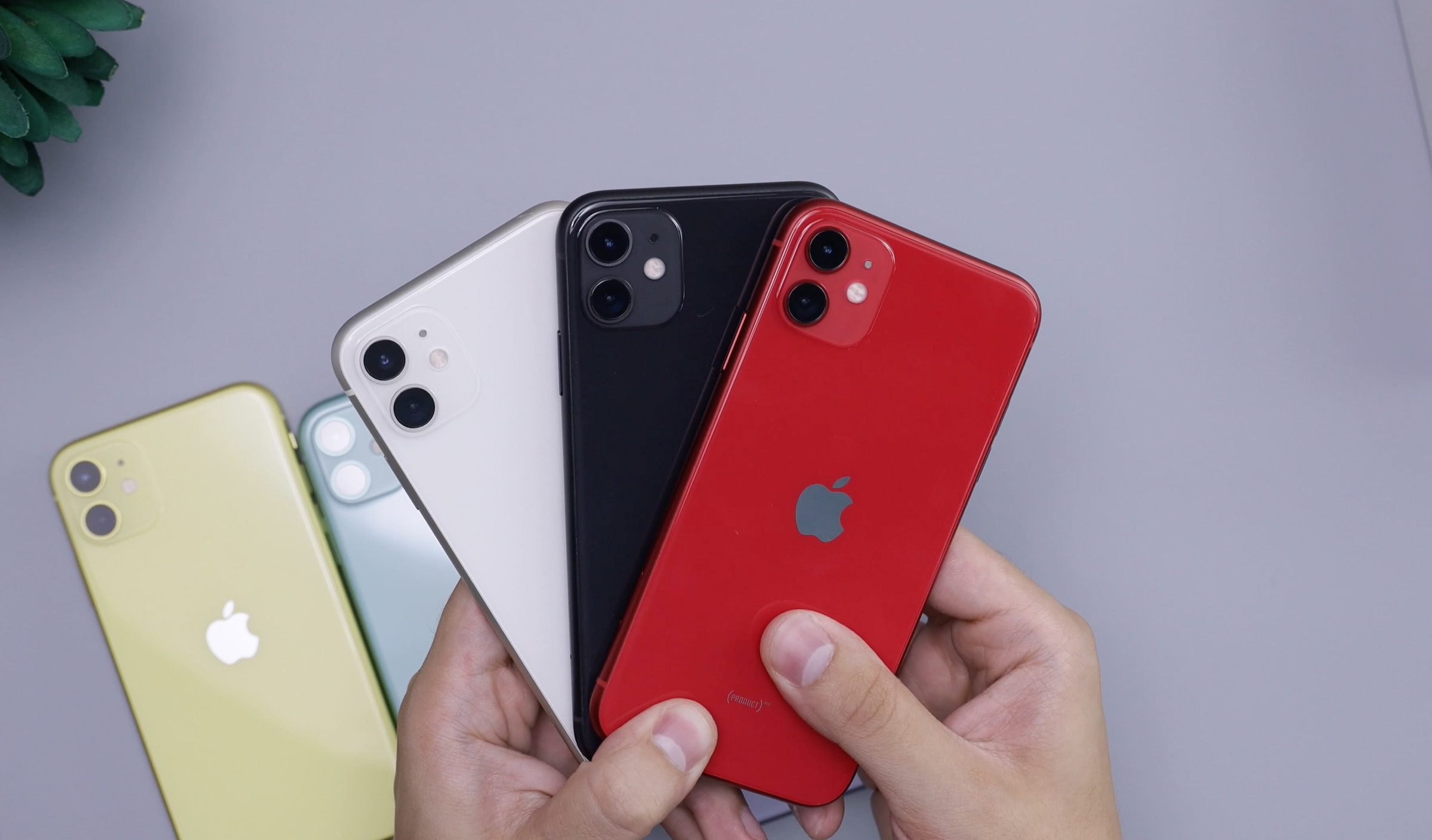
iPhone 11 models
The iPhone 11 has a 128GB storage option
The iPhone 11 offers a 128GB storage tier not available on the iPhone X, which comes only in 64GB and 256GB. For users who find 64GB too restrictive but cannot justify the jump to 256GB, the 128GB iPhone 11 represents a practical middle ground, with enough space for a large photo library, apps, and offline media without the cost premium of maximum storage.
iPhone X vs. iPhone 11: Which one should you get?
Both phones are available at strong discounts on the refurbished market. The iPhone X typically starts around $146 for a good-condition unit; the iPhone 11 starts around $180 to $200. The modest price difference is rarely worth prioritizing the older model for primary use given the software support gap.
Reasons to buy the iPhone X
- The 5.8-inch OLED display offers deeper blacks and higher pixel density (458 ppi) than the iPhone 11's LCD, a genuine visual advantage for video and photo viewing.
- The stainless steel frame gives the iPhone X a more premium feel in hand.
- The telephoto lens is more useful than the ultra-wide for portrait photography and zooming into distant subjects.
- The compact size suits users who prefer one-handed operation over a larger screen.
- At the lowest refurbished prices, it works well as a secondary device, dedicated media player, or backup phone, where the iOS 16 limitation matters less.
Reasons to buy the iPhone 11
- Software support: the iPhone 11 runs iOS 26 and continues receiving security updates through 2026, keeping apps compatible and personal data protected.
- The A13 Bionic chip is noticeably faster than the A11 in the iPhone X, handling multitasking, demanding apps, and games with greater fluidity.
- The larger 3,110 mAh battery outlasts the iPhone X, and the effect is compounded by the A13's improved power efficiency.
- Night Mode and Deep Fusion produce dramatically better low-light and indoor photos.
- The IP68 water resistance rating exceeds the iPhone X's IP67.
- The 128GB storage option provides a sensible middle tier not available on the iPhone X.
- The 12-megapixel front camera with 4K video support is a significant upgrade over the iPhone X's 7-megapixel selfie camera.
If you are weighing either device as your main phone, the iPhone 11 is the stronger choice for 2026. The software support alone justifies the small price premium. If you are looking for an affordable secondary phone or a compact OLED device at the lowest possible price, the iPhone X still has its merits.
We recommend checking RefurbMe to compare current prices and availability across trusted sellers including the Apple Store and Back Market. Buying refurbished lets you access both models at a fraction of their original retail price, with quality-certified devices that have been tested and restored to working condition.
Related posts:
- Is the iPhone X worth buying in 2026?
- iPhone X vs. iPhone 12
- iPhone X vs. iPhone 13
- iPhone X vs. iPhone XR
- iPhone XR vs. iPhone 11
- iPhone 11 vs. iPhone 13
- Why Is There No iPhone 9 and iPhone 10?
FAQ
Last updated: Apr 30, 2026 · First published: Jul 14, 2023