


The iPhone X marked a turning point for Apple: it ditched the Home button, introduced Face ID, and set the all-screen template that every iPhone since has followed. The iPhone 13 built on that foundation with a sharper display, a much faster chip, and a battery that finally stopped being a daily frustration. In 2026, both models are available as refurbished units at very different price points, which makes the comparison more relevant than ever.
This article walks through every meaningful difference between the two, so you can decide which one fits your needs and budget.
Table of contents
- Reasons to buy the iPhone X
- Reasons to buy the iPhone 13
- iPhone X vs. iPhone 13: Specs comparison table
- iPhone X vs. iPhone 13: Review and differences
- The verdict
- Frequently asked questions
Reasons to buy the iPhone X
- Iconic all-screen design at an attractive refurbished price.
- Very affordable: refurbished units start around $127.
- Capable dual-camera system with wide-angle and telephoto lenses.
- Wireless charging support.
- Compact 5.8-inch display, comfortable in one hand.
- Dual stereo speakers for clear audio.
Reasons to buy the iPhone 13
- Larger 6.1-inch Super Retina XDR display with significantly higher brightness.
- A15 Bionic chip with 16-core Neural Engine for fast, future-ready performance.
- Improved wide-angle camera with a wider f/1.6 aperture and cinematic video mode.
- 5G connectivity included on all variants.
- 128GB base storage, double the iPhone X entry level.
- Much longer battery life with MagSafe charging support.
- Compatible with iOS 18 and later, including the latest iOS 26.
- Squared-off design reminiscent of the beloved iPhone 4 and 5.
iPhone X vs. iPhone 13: Specs comparison table
The table below puts the core technical specifications side by side so you can see the gaps at a glance before diving into the detail.
| Feature | iPhone X | iPhone 13 |
|---|---|---|
| Dimensions | 5.65 x 2.79 x 0.30 inches 143.6 x 70.9 x 7.7 mm | 5.78 x 2.82 x 0.30 inches 146.7 x 71.5 x 7.65 mm |
| Weight | 6.14 ounces 174 g | 6.14 ounces 174 g |
| Colors | Silver Space gray | Blue Pink Red (Product Red) Midnight Starlight |
| Display | 5.8" Super Retina HD (OLED) | 6.1" Super Retina XDR (OLED) |
| Resolution | 2,436 x 1,125 at 458 ppi | 2,532 x 1,170 at 460 ppi |
| Brightness | 625 nits (typical) | 800 nits (typical), up to 1,200 nits (HDR) |
| Processor | A11 Bionic, 2-core Neural Engine | A15 Bionic, 16-core Neural Engine |
| Internal storage | 64 GB or 256 GB | 128 GB, 256 GB, or 512 GB |
| RAM | 3 GB | 4 GB |
| Battery | 2,716 mAh | 3,227 mAh |
| Speakers | Dual stereo speakers | Dual stereo speakers |
| Front camera | 7 MP TrueDepth, f/2.2 | 12 MP TrueDepth, f/2.2 |
| Rear camera | Wide 12 MP f/1.8 + Telephoto 12 MP f/2.4 | Wide 12 MP f/1.6 + Ultra-wide 12 MP f/2.4 |
| Max iOS | iOS 16 | iOS 18 and later (currently iOS 26) |
| Wireless charging | Yes | Yes |
| MagSafe charging | No | Yes |
| 5G | No | Yes |
| Face ID | Yes | Yes |
| Touch ID | No | No |
| Refurbished price | Starting at | Starting at |
The numbers tell a clear story: the iPhone 13 pulls ahead on almost every metric. But the size of the gaps matters, and a few differences are more meaningful in daily use than they first appear. The sections below unpack each one.
iPhone X vs. iPhone 13: Review and differences
Display
The screen is the element you interact with every second you use the phone, so it is worth examining carefully.
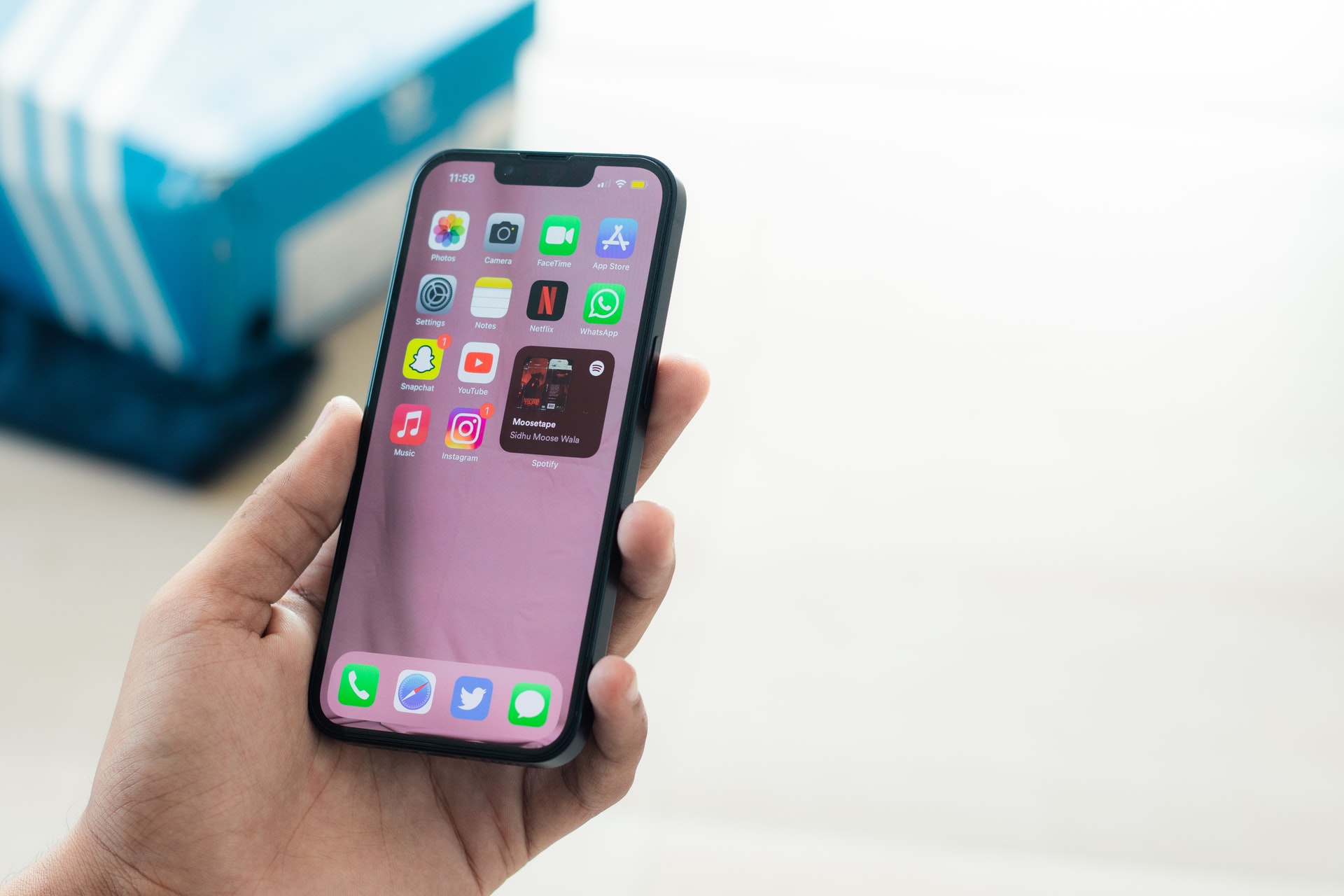
iPhone 13 screen
The iPhone 13 screen is larger: 6.1 inches versus 5.8 inches on the iPhone X. For media consumption and reading, that extra space is noticeable. Beyond size, the brightness gap is significant. The iPhone X caps at 625 nits, while the iPhone 13 reaches 800 nits in typical use and climbs to 1,200 nits with HDR content. In direct sunlight, that difference is very apparent.
Both use OLED panels with True Tone and wide-color (P3) support, so color accuracy and contrast are excellent on each device. The resolution improvement between the two is minor: 458 ppi on the X versus 460 ppi on the 13. In practice, both look sharp at normal viewing distances.
If compact size matters most to you, the 5.8-inch iPhone X is the better fit. If you prioritize brightness and a larger canvas, the iPhone 13 wins clearly.
Design
The iPhone X introduced the biggest visual change in iPhone history at the time: a full-screen face with Face ID instead of a Home button, a glass back for wireless charging, and a surgical-grade stainless steel frame. Every iPhone since has followed the same basic blueprint.
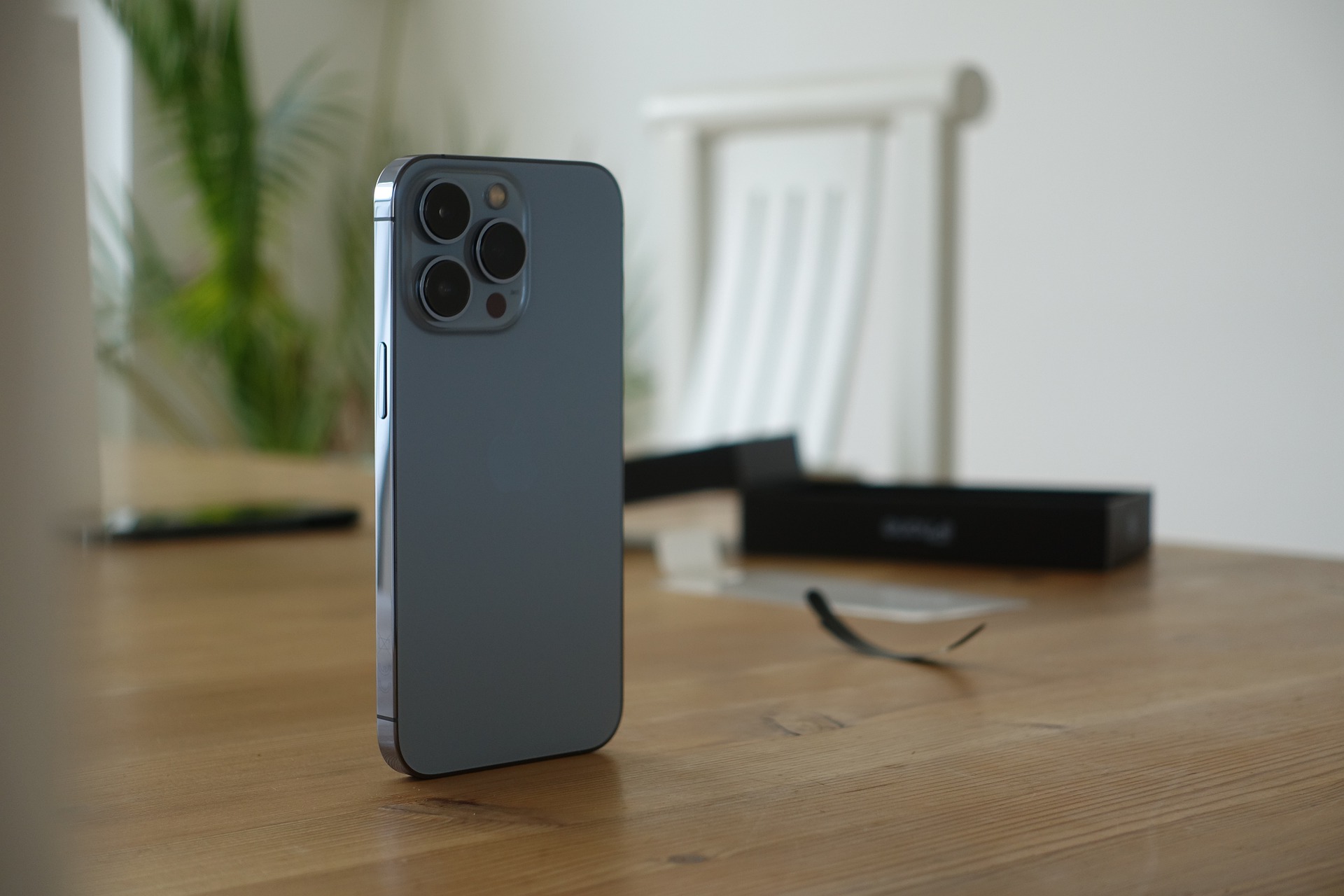
iPhone 13 back
The iPhone 13 carries the redesign that came with the iPhone 12 generation: flat aluminum edges that recall the iPhone 4 and 5, rather than the rounded steel sides of the X. Many users find the flat frame easier to grip. The notch on the iPhone 13 is also 20 percent smaller than the one on the iPhone X, though the TrueDepth camera system behind it is functionally identical.
The power button, volume buttons, and ringer switch sit slightly lower on the iPhone 13 compared to the X. Both phones feel premium in hand. The differences are subtle but real, and holding each device briefly will likely reveal a clear preference.
Learn more: Why Is There No iPhone 9 and iPhone 10?
Camera
The rear camera on the iPhone X pairs a 12 MP wide-angle lens at f/1.8 with a 12 MP telephoto lens at f/2.4. The telephoto is good for portraits and optical zoom, but the setup predates computational photography features now taken for granted.
The iPhone 13 replaces the telephoto with a 12 MP ultra-wide lens at f/2.4, which captures a much broader scene. The wide-angle lens gets a meaningful aperture improvement, from f/1.8 to f/1.6, letting in more light in low-light situations. Night mode, Deep Fusion processing, and Cinematic mode for video are all exclusive to the iPhone 13.
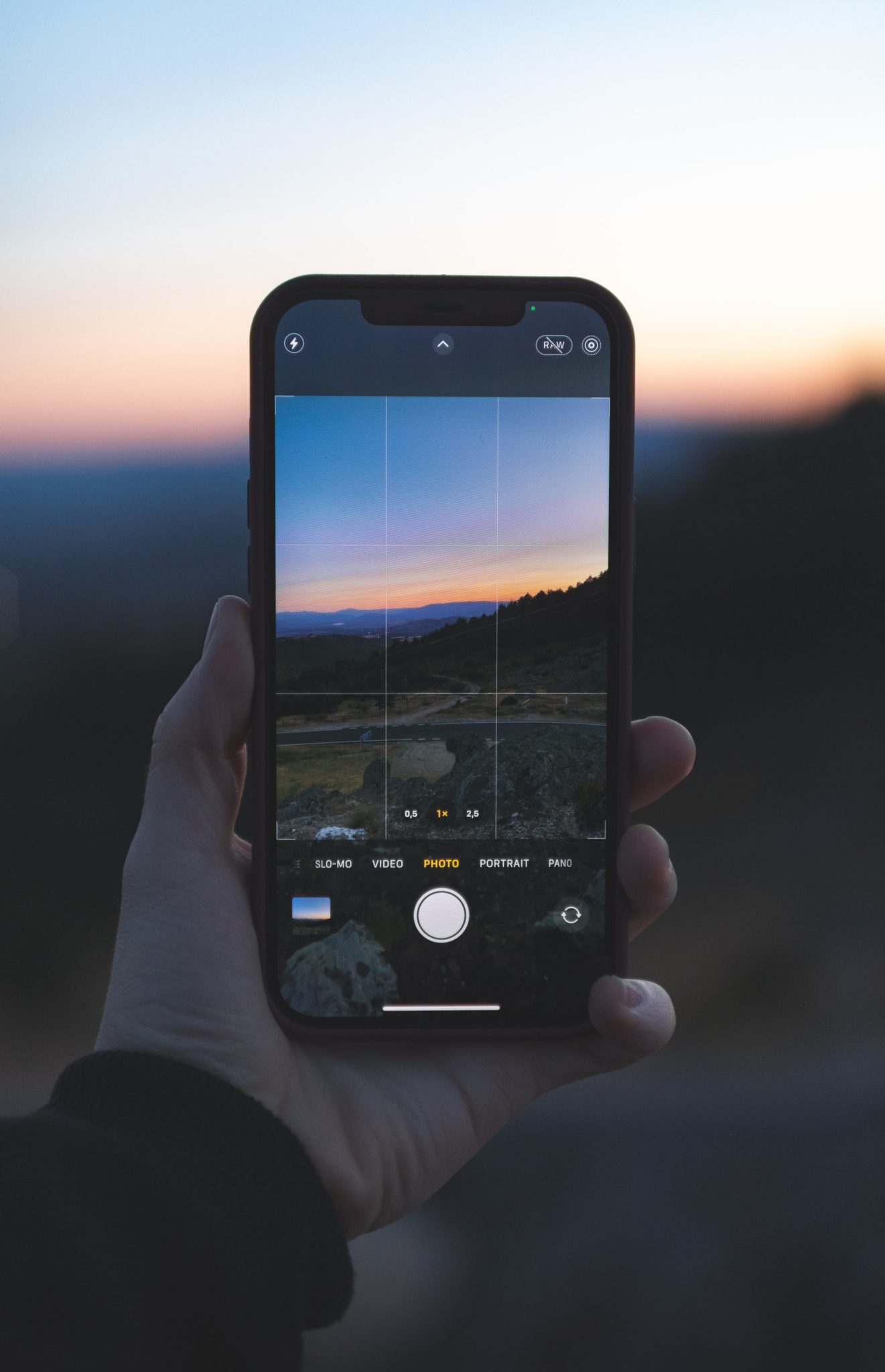
iPhone 13 camera screen
On the front, the X has a 7 MP TrueDepth camera, while the iPhone 13 raises the front camera to 12 MP at the same f/2.2 aperture. The jump in megapixel count translates into noticeably crisper selfies and sharper video calls.
Much of the camera improvement also comes from the chip. The A15 Bionic on the iPhone 13 handles image processing far faster than the A11 Bionic on the X, which is why features like Night mode and Cinematic video are not possible on the older device.
Related: iPhone XS for more context on the X-generation camera lineup.
Storage
The iPhone X shipped with either 64 GB or 256 GB of storage. The iPhone 13 starts at 128 GB and adds 256 GB and 512 GB tiers. For most users, having 128 GB as the entry point removes the constant worry about running out of space for photos, apps, and podcasts.
Neither model has expandable storage, so choosing the right size upfront matters. If you shoot a lot of video or keep music locally, the 256 GB iPhone 13 is worth the modest price premium over the base model.
On RAM, the iPhone X has 3 GB and the iPhone 13 has 4 GB. That extra gigabyte means the iPhone 13 keeps more apps running in the background without reloading them, which is a real quality-of-life improvement during heavy multitasking.
Performance
The A15 Bionic in the iPhone 13 is a significant leap over the A11 Bionic in the iPhone X. The A11 has a two-core Neural Engine; the A15 has a 16-core Neural Engine, which accelerates machine-learning tasks used everywhere from Face ID to camera processing to Siri.
For everyday tasks such as browsing, messaging, and streaming, either phone performs without friction. Where the gap shows up is in demanding tasks: editing 4K video, running augmented reality apps, playing graphically intensive games, or handling large photo libraries. The iPhone 13 handles all of these comfortably. The iPhone X can struggle.
Related article: 21 Best Classic and Old iPhone Games You Can Still Play
One practical consequence of the performance gap is software longevity. The iPhone X is stuck on iOS 16, which means it no longer receives security patches or new features. The iPhone 13 supports iOS 18 and later, including iOS 26, Apple's current release. That difference is meaningful if you plan to keep the phone for several years.
Battery life and charging
Battery life was a weak point for the iPhone X. Apple rated it at up to 13 hours of video playback. The iPhone 13 delivers up to 19 hours of video playback, a 46 percent improvement despite the phones weighing exactly the same.
For audio streaming, the iPhone X manages up to 60 hours; the iPhone 13 extends that to 75 hours. The iPhone 13 battery is larger at 3,227 mAh compared to 2,716 mAh on the X, and the more efficient A15 chip makes the most of that capacity.
Both phones support fast wired charging via Lightning and Qi wireless charging. The iPhone 13 adds MagSafe, which snaps magnetically to the back of the phone for faster and more convenient wireless charging. Both reach around 50 percent charge in 30 minutes using a 20W or higher power adapter.
Related article: 7 Best MagSafe Accessories for Your iPhone
Connectivity
All iPhone 13 models include 5G. The iPhone X is limited to LTE. In cities where 5G coverage is mature, the download speed difference is substantial. Even in areas where 5G availability is patchy, buying a 5G-capable phone future-proofs you as networks continue to expand.
The iPhone 13 also includes Apple's U1 chip with Ultra Wideband support. This enables precise AirTag tracking for locating personal items with centimeter-level accuracy, a feature the iPhone X cannot replicate.
For most users on LTE-heavy networks, the absence of 5G on the iPhone X is not a daily frustration today. But it will become more relevant over a three-to-four year ownership window.
The verdict
The iPhone 13 is the better phone in every measurable category: display, camera, battery, performance, software support, and connectivity. For anyone buying a device to use daily over the next two to three years, the iPhone 13 is the clear choice.
The iPhone X still has a role. Refurbished units start around $127, making it one of the most affordable ways to get a capable iPhone with Face ID and wireless charging. If your needs are modest and your budget is tight, the iPhone X delivers genuine value. Just know that it will not receive further iOS updates and that its battery and performance will feel dated compared to newer devices.
In 2026, the gap in refurbished pricing is smaller than you might expect. Refurbished iPhone 13 units start at approximately $176 on RefurbMe, a difference of roughly $50 over the iPhone X. For most buyers, that premium is worth paying.
You can compare current refurbished prices for both models:
- Refurbished iPhone X deals
- Refurbished iPhone 13 deals
- Refurbished iPhone 14 deals for those considering the next step up
Refurbished models carry the same functionality as new units and include a warranty. Apple also refurbishes its own iPhones with the same quality standards as factory-new devices. Read more: What is Apple Certified Refurbished?
For broader context on related comparisons:
iPhone X vs. iPhone 12 iPhone X vs. iPhone 11 iPhone XR vs. iPhone 11 iPhone 11 vs. iPhone 13 iPhone SE 3 vs. iPhone 13 iPhone 12 vs. iPhone 13
Frequently asked questions
Last updated: May 19, 2026 · First published: Jul 28, 2023