


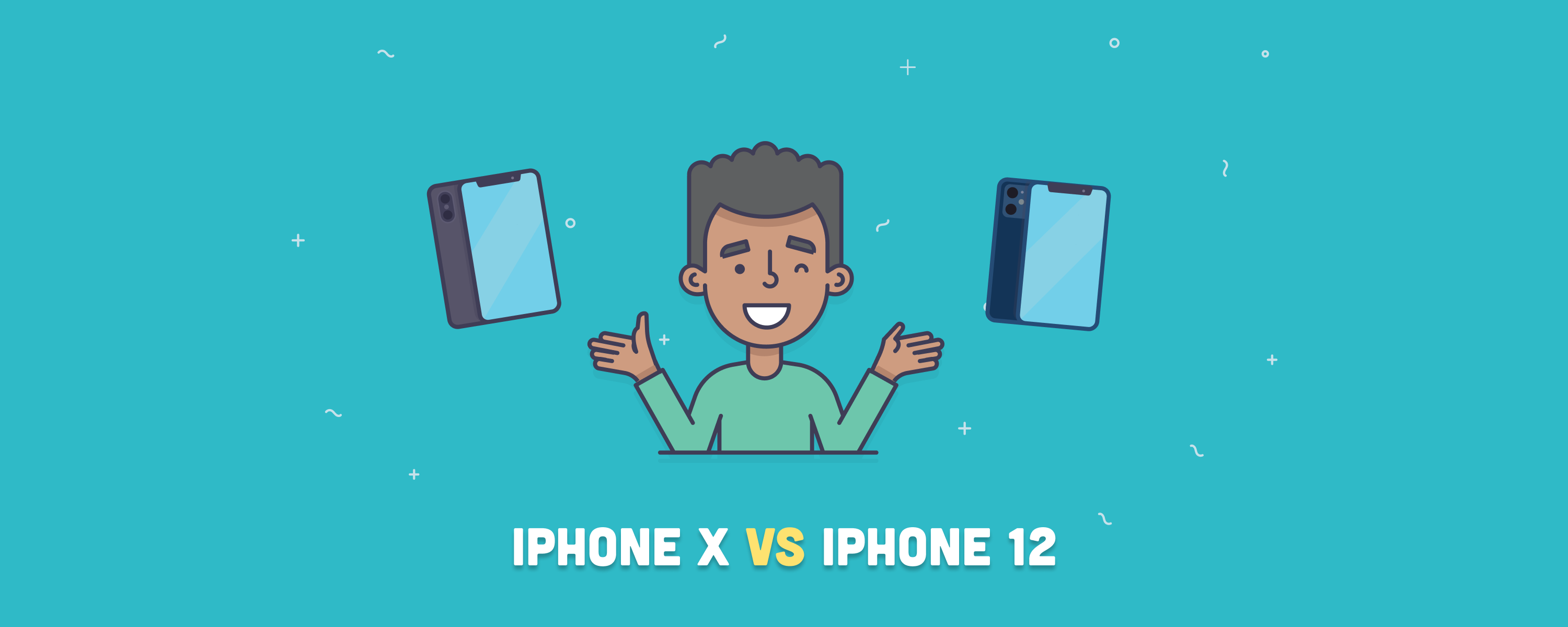
By 2026, both the iPhone X and the iPhone 12 have aged out of Apple's active software support window, which makes the refurbished market the only realistic way to buy either device. The iPhone X launched in 2017 as Apple's most radical redesign in years, introducing the edge-to-edge OLED display, Face ID, and a premium stainless steel frame that every subsequent iPhone inherited. The iPhone 12 arrived in 2020 carrying that same DNA forward, but added 5G connectivity, a faster A14 Bionic chip, and a brighter display with True Tone. Today, refurbished iPhone X models start from around $138, while refurbished iPhone 12 models start from around $165. If you are weighing the two right now, this guide covers every meaningful difference so you can choose the one that fits your budget and daily habits.
Table of contents
- Specs comparison
- Display
- Design
- Camera
- Performance
- Storage
- Connectivity
- Battery capacity
- Charging
- Price and availability
- The verdict
- FAQ
Specs comparison
| Feature | iPhone X | iPhone 12 |
|---|---|---|
| Size | 5.8" | 6.1" |
| Resolution | 1125 x 2436 pixels at 458 PPI | 1170 x 2532 pixels at 460 PPI |
| Weight | 6.14 oz (174 g) | 5.78 oz (164 g) |
| CPU | Apple A11 Bionic | Apple A14 Bionic |
| RAM | 3 GB | 4 GB |
| Storage | 64 GB, 256 GB | 64 GB, 128 GB, 256 GB |
| Battery capacity | 2716 mAh | 2815 mAh |
| Charging | Wired: 15W / Wireless: 7.5W | Wired: 20W / Wireless: 15W |
| Main camera | 12 MP, f/1.8 | 12 MP, f/1.6 |
| Selfie camera | 7 MP, f/2.2 | 12 MP, f/2.2 |
| 5G connectivity | No | Yes |
| Max OS support | iOS 16 | iOS 18 |
| Water resistance | IP67 (1 m) | IP68 (6 m) |
| Colors | Silver, Space Gray | Red, Black, White, Purple, Green |
| Price (refurbished) | Starting at | Starting at |
Display
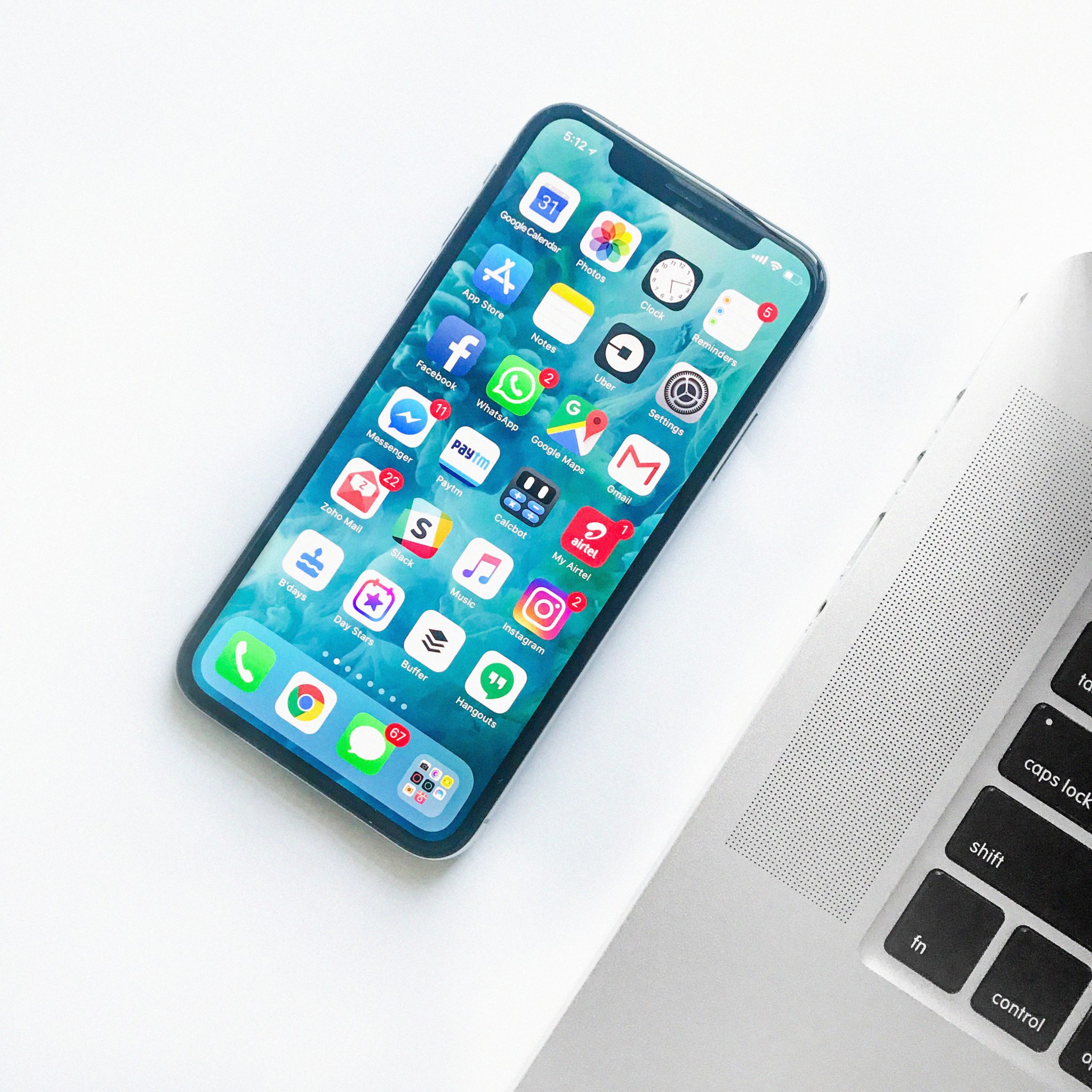
Both iPhones feature Super Retina OLED panels with similar pixel densities: 458 PPI on the 5.8-inch iPhone X and 460 PPI on the 6.1-inch iPhone 12. The resolution difference is small and invisible to the naked eye.
The more meaningful gap is in color rendering. The iPhone 12 introduced an Extreme Dynamic Range display that produces noticeably more natural, vivid colors at higher brightness levels, paired with True Tone technology that adjusts white balance to match ambient lighting. The iPhone X lacks both of these features.
Neither phone reached the 120Hz ProMotion refresh rate that competitors offered at the time, so both run at 60Hz. That is one area where upgrading does not improve the experience.
Display verdict
The iPhone 12 is meaningfully better for brightness and color accuracy. The size difference matters too: 6.1 inches versus 5.8 inches is noticeable when reading, watching video, or typing. If screen quality is important to you, the iPhone 12 is the better pick.
iPhone X
Design
The iPhone X was the phone that set the template every subsequent iPhone follows: tall OLED display, Face ID notch, minimal bezels, and no home button. Picking up an iPhone 12 feels immediately familiar as a result.
The main material difference is worth knowing before you buy. The iPhone X uses a stainless steel frame, which is denser and more scratch-resistant than the aluminum frame on the iPhone 12. In practice, the X feels heavier but marginally more rigid.
Water resistance is one area where the newer model pulls ahead. The iPhone 12 carries an IP68 rating and survives submersion to 6 meters, while the iPhone X's IP67 rating covers only 1 meter. For most users this distinction is academic, but it is a real safety margin if the phone takes a splash.
Color selection is another gap. The iPhone X shipped in only Space Gray and Silver. The iPhone 12 added Red, Black, White, Purple, and Green, giving buyers more flexibility.
Related: iPhone 12 mini vs. iPhone 12: Which One Should You Choose?
Camera
Both phones carry a 12 MP main sensor, but the iPhone 12's wider f/1.6 aperture lets in more light than the iPhone X's f/1.8 aperture. The difference matters most in low-light scenes, where the iPhone 12 consistently produces brighter, sharper images.
The iPhone 12 also adds an ultra-wide lens, Night Mode, and Smart HDR 3, none of which are present on the iPhone X. In daylight shooting the gap between them is moderate; in dim environments it is substantial.
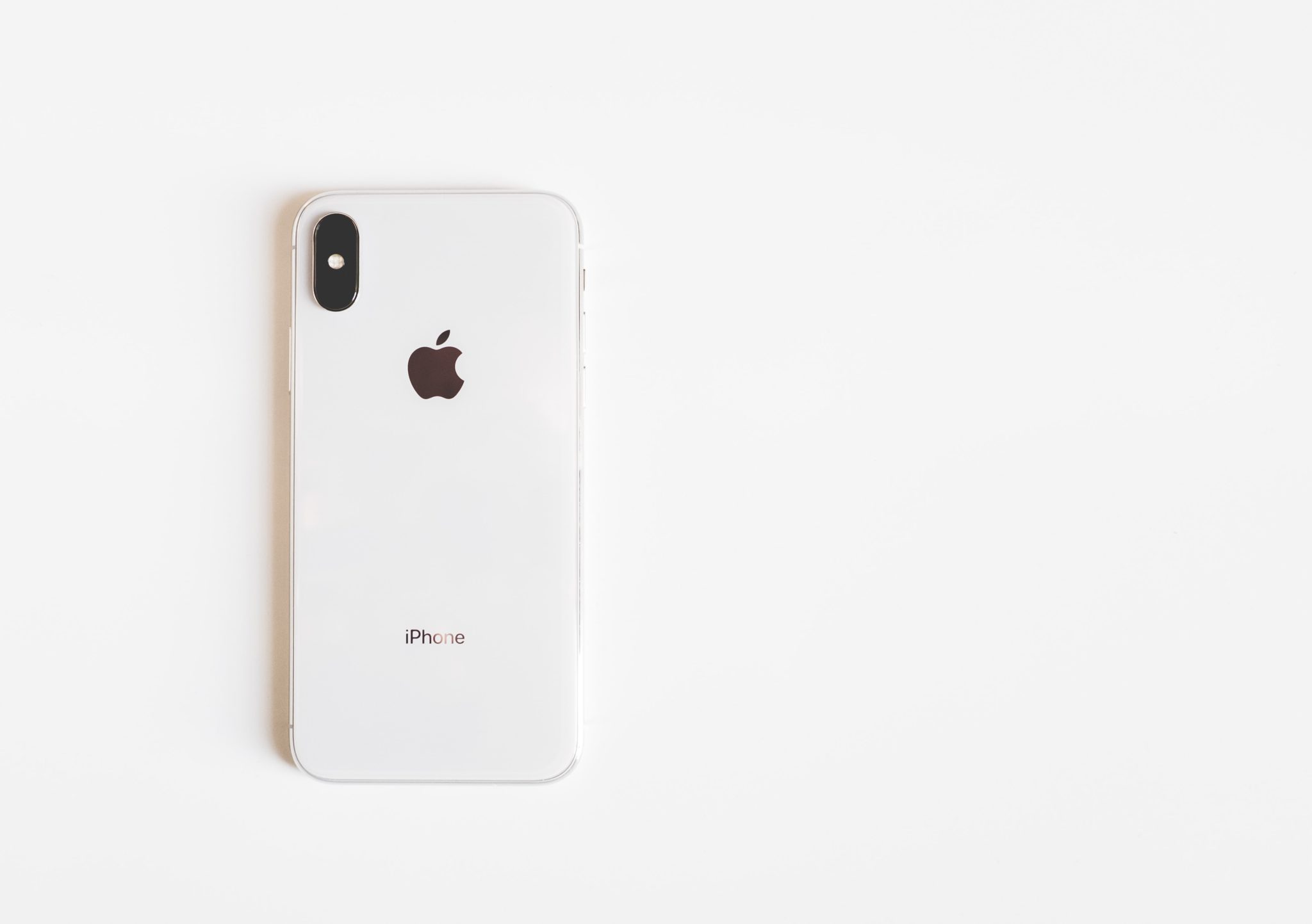
The iPhone X does retain one advantage: its dual rear cameras include 2x optical zoom, which the standard iPhone 12 lacks. Shooters who frequently photograph subjects at a distance may prefer the X for that reason alone.
Both devices can record 4K video at 60 fps. For selfies, the iPhone 12's 12 MP front camera is a significant step up from the iPhone X's 7 MP sensor.
Camera verdict
The iPhone 12 is the better all-around camera phone. The iPhone X's 2x optical zoom is a genuine trade-off consideration for anyone who frequently shoots at distance, but for everyday photography the iPhone 12 delivers better results in more conditions.
iPhone X rear camera
Performance
The A11 Bionic chip inside the iPhone X was a landmark processor when it launched. In 2026, it is still functional for everyday tasks but runs a noticeably older software stack: iOS 16 is the maximum supported version, meaning no iOS 17 or iOS 18 features and a shortening list of apps that run optimally.
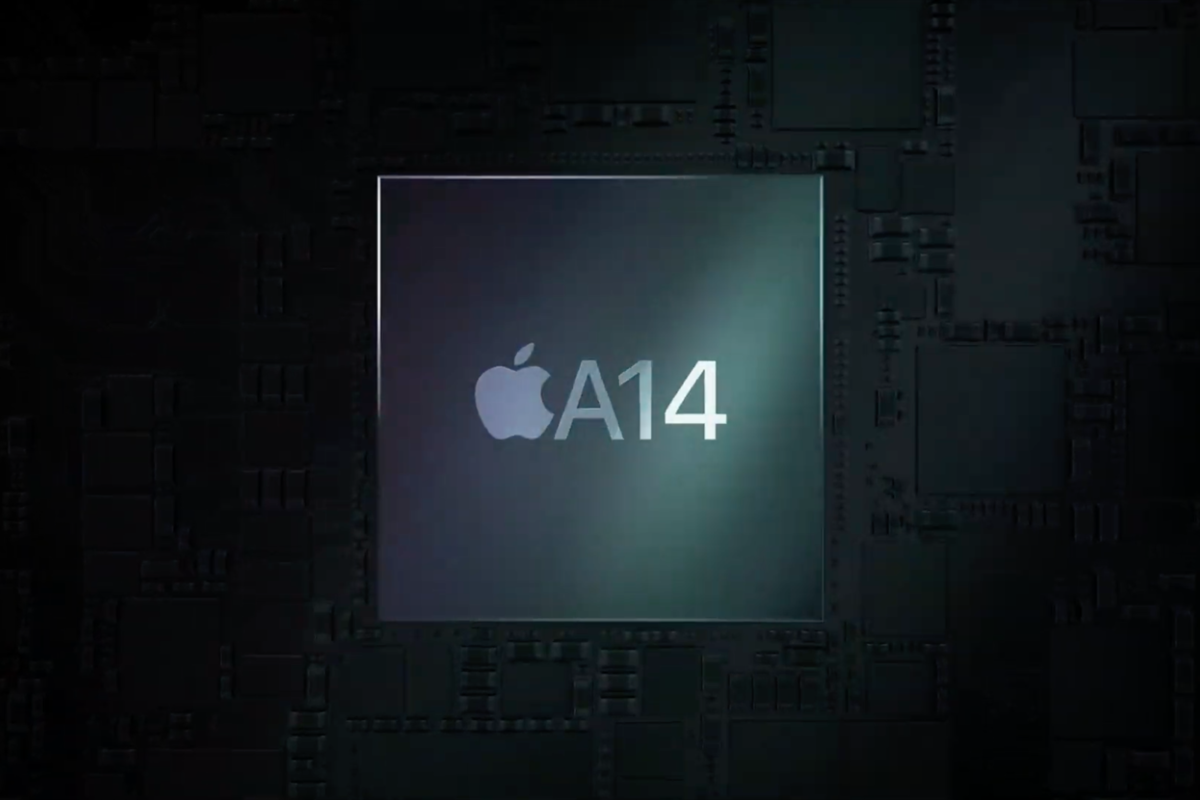
The iPhone 12 runs the A14 Bionic, built on a 5nm process versus the 10nm A11. The practical differences include a 25% higher CPU clock speed, significantly more GPU throughput, and a 16-core Neural Engine capable of 11 trillion operations per second compared to the A11's 600 billion. The iPhone 12 also ships with 4 GB of RAM versus 3 GB on the X, which helps with multitasking and browser-tab retention.
Critically, the iPhone 12 supports iOS 18, which means continued security patches and compatibility with current apps through Apple's expected support window.
If you enjoy classic iPhone games or light productivity work, the iPhone X handles both comfortably. For users who rely on the latest apps, developer tools, or accessibility features added in iOS 17 and 18, the iPhone 12 is the safer long-term choice.
Performance verdict
The iPhone 12 is substantially faster and stays supported longer. The software longevity gap is the most important difference for buyers in 2026. If you rely on current apps or security updates, the iPhone 12 is the only sensible choice between these two.
Storage
Both phones start at 64 GB. The iPhone 12 adds a 128 GB mid-tier option that the iPhone X never offered, making it easier to find a well-priced middle ground on the refurbished market. The top tier of 256 GB is available on both devices. On the refurbished market, the 128 GB iPhone 12 is often the sweet spot: more space than the base model without the premium of the 256 GB tier.
Connectivity
The iPhone 12 was the first iPhone family to support 5G, and all four models in the lineup include it. The iPhone X is limited to 4G LTE and cannot connect to 5G networks, regardless of carrier or plan.
Whether 5G matters depends on your location. In major US cities 5G coverage is now widespread. In rural or suburban areas, 4G LTE remains the dominant signal type and the iPhone X will not feel slower in daily use.
Connectivity verdict
If you live in a city with solid 5G coverage, the iPhone 12's 5G support is a meaningful long-term advantage. If you are in an area where 4G LTE is the primary signal, the iPhone X covers all practical connectivity needs.
Battery capacity
The capacity difference is small: 2815 mAh in the iPhone 12 versus 2716 mAh in the iPhone X. Apple rates the iPhone 12 at up to 17 hours of video playback compared to 13 hours for the iPhone X, a more meaningful gap than the raw mAh figures suggest.
Part of that difference comes from the iPhone 12's more efficient A14 chip. Part of it comes from 5G radio management: when the iPhone 12 is connected to a 5G network and the signal is inconsistent, battery drain rises. On stable LTE or 5G connections the drain is predictable.
The iPhone X sidesteps the 5G battery variable entirely. If you are in an area with poor 5G coverage and want a phone that holds its charge steadily, the X's simpler radio stack is an advantage.
Charging
The iPhone 12 supports 20W wired charging against the iPhone X's 15W ceiling, meaning a full charge takes less time. Both phones support Qi wireless charging, but at different speeds: 15W on the iPhone 12 versus 7.5W on the iPhone X.
The iPhone 12 also introduced MagSafe, Apple's magnetic alignment system for wireless charging accessories. MagSafe enables a growing ecosystem of snap-on wallets, cases, and chargers that the iPhone X cannot use.
Learn more: 7 Best MagSafe Accessories for Your iPhone
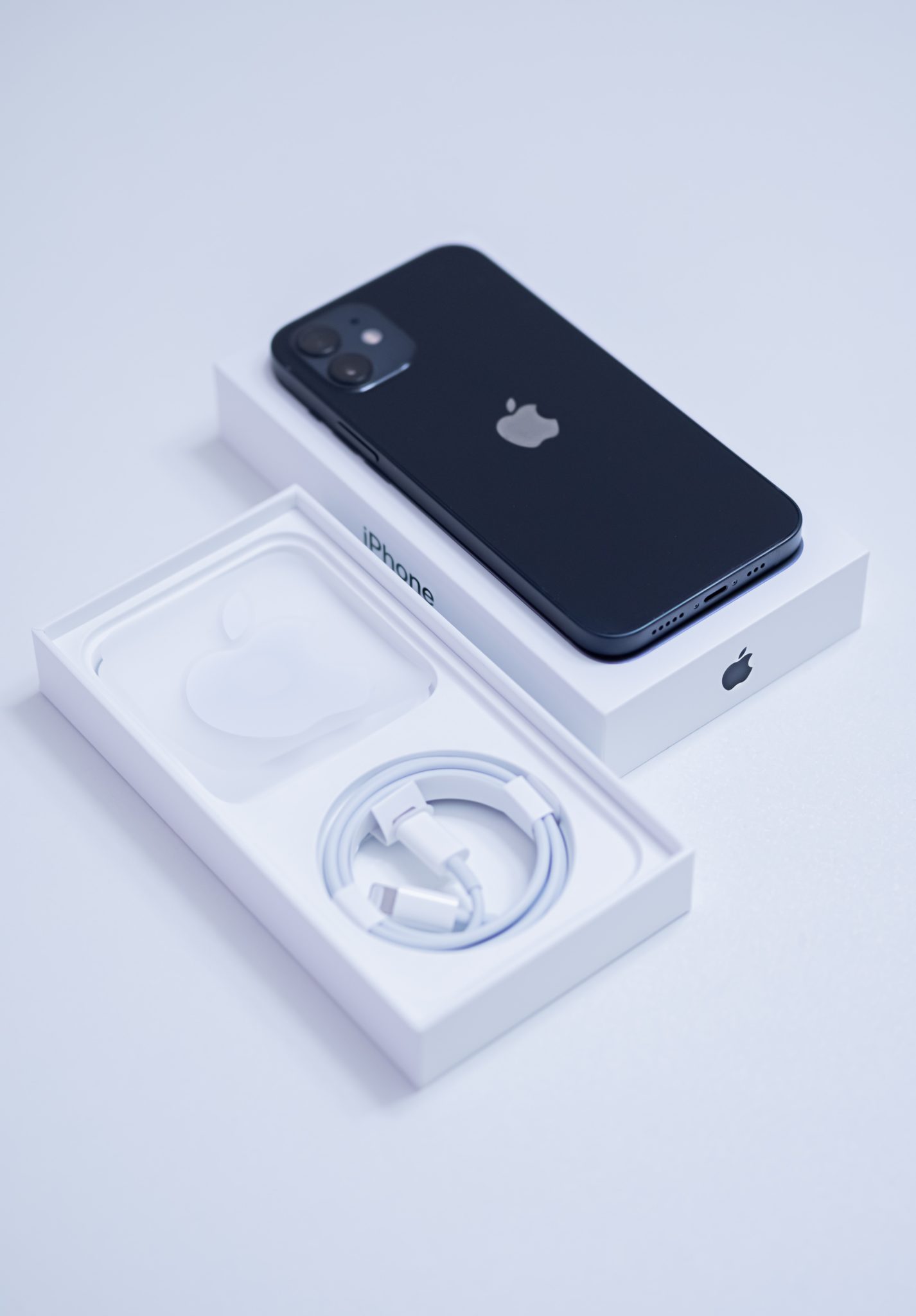
iPhone 12 charging cables
Price and availability
The iPhone X launched at $999 in 2017 and was discontinued less than a year later when the iPhone XR and iPhone XS arrived. In the refurbished market today it starts from around $138, making it one of the most affordable Face ID iPhones available.
The iPhone 12 starts from around $165 on the refurbished market, a modest premium that reflects its newer hardware, longer software support window, and 5G capability. The gap between the two is smaller than many buyers expect: check the live prices below for current figures from verified sellers.
Related: iPhone X vs. iPhone XR: Which One Is Better and Why?
Both phones are refurbished-only at this stage. Neither is available new from Apple. When shopping, prioritize sellers that include a warranty and detail their grading criteria. Our guide to the best places to buy refurbished iPhones covers the top options.
The verdict
The iPhone 12 is the better device on every major axis: larger display, stronger camera system, faster and more efficient chip, longer software support, 5G connectivity, faster charging, and better water resistance. For most buyers in 2026, the iPhone 12 is the clear choice.
The iPhone X makes sense in one specific scenario: you want the lowest possible price, you are comfortable staying on iOS 16, and you do not need 5G. Starting from around $138 refurbished, it offers a genuine Face ID iPhone experience for very little money. If you are considering stepping further up, see how the iPhone X compares to the iPhone 13 or the iPhone 11 for a sense of how much the later generations improved.
For buyers who want a well-rounded upgrade path from the iPhone 12, the iPhone 12 vs. iPhone 13 comparison breaks down what changed across that generation.
Browse all refurbished iPhone 12 models from verified sellers here:
The iPhone X remains a capable everyday phone for basic tasks. At its refurbished price point, it is one of the cheapest ways to own a premium-design iPhone with Face ID, wireless charging, and an OLED screen.
Browse refurbished iPhone X deals here:
On RefurbMe, we track refurbished iPhone prices from Apple, Amazon Renewed, Back Market, Gazelle, and other verified sellers in real time. You can also compare other models: iPhone 8 Plus vs. iPhone 12, iPhone 11 Pro vs. iPhone 12, or explore the best places to buy refurbished iPhones.
FAQ
Last updated: May 26, 2026 · First published: Nov 7, 2023